Maths, Science & Computers

A Core Area of the Curriculum

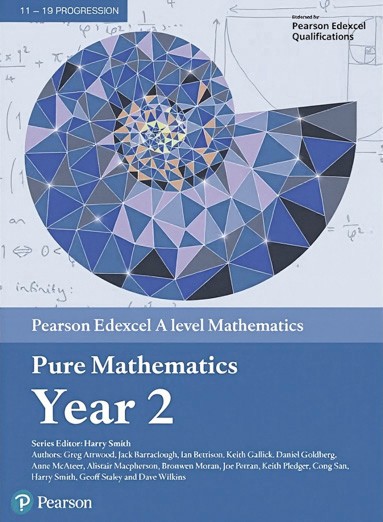
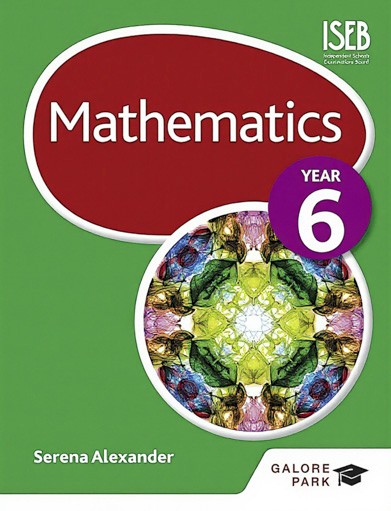
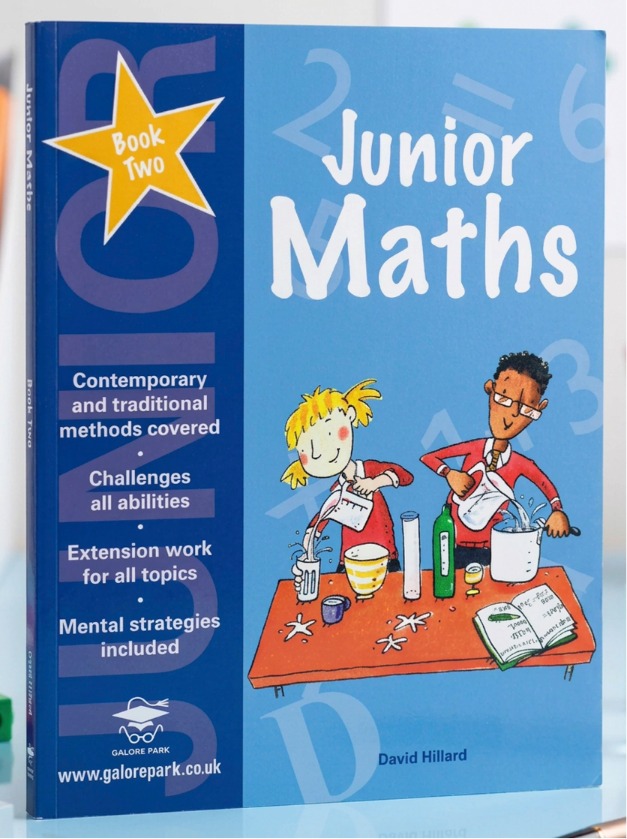
Maths course book
Why It Matters

Mathematics as a Foundation Stone

We recognise that the contemporary industrial revolution of our age is driven by computing alongside rapid advancements in Science, Engineering, and Technology—fields in which Mathematics serves as an essential foundation stone.

Our Maths, Science, and Computer courses prepare students to access top-tier university programmes.

To date, a high proportion of our students have progressed to study these subjects at A-Level and university after achieving high grades in their Science, Maths, ICT, and Computer Science at both GCSE and A Level.

Our Approach

Computers and ICT

While we acknowledge that Computer Science and ICT are vital contemporary fields, the college maintains a traditional, paper-based approach to general learning. Students use textbooks, workbooks, paper, and pens to complete almost all of their work.

No computer assignments Outside ICT & Computer Science GCSEs and A-Levels, no assignments require computer use.
Strictly regulated The use of ICT on site is reserved for tutors.

Students do not have access to digital devices at college and generally do not need access to computers unless they are studying for ICT or Computer Science iGCSEs, or the Computer Science A-Level. At home, students have a maximum of 2 hours a week online tutorials.

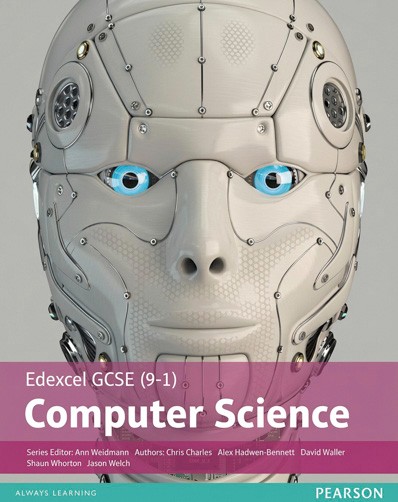
Computer Science course book
Home science kit
4hrs of in-college Maths tuition each week
Primary Level (Ages 8–10)

Building High-Level Mathematics Early

  • Mathematics : Students receive four hours of in-college Maths tuition per week. This ensures a consistent approach to a subject that many parents find challenging to teach at home. Even at this early stage, children are prepared for high-level Mathematics; we teach them to present their work in a neat, consistent format, laying the groundwork for the multi-step workings required at GCSE and A-Level.
  • The “Spiral” Curriculum : We introduce students to a comprehensive array of mathematical disciplines. Using a cyclical, spiral approach, students revisit core areas each year at an increasing depth, gradually incorporating more advanced topics. Academic students sit the Key Stage 2 Maths exam as soon as they are ready, which is often a year earlier than their peers in mainstream schools.
  • Science : Primary Science follows the National Curriculum. Students work through workbooks at home, which are self-marked under parental guidance.
  • Geography : Geography is studied entirely at home using an atlas and foundational geography books.
  • ICT : Computer studies and ICT are not included in the Primary phase.
Secondary Level (Ages 10–16)

A Steady Increase in Difficulty

In-college Maths tuition Three hours each week from age 10 to 12.
  • Mathematics : From age 10 to 12, students build seamlessly upon their primary learning, experiencing a steady increase in difficulty. Students receive three hours of in-college Maths tuition per week.
  • Pre-GCSE Science & Geography : Prior to GCSEs, these subjects follow the National Curriculum using home-based textbooks. Work is marked by the student, with parental support if required.
  • ICT and Computer Studies remain excluded from this pre-GCSE phase.
  • Touch typing : Parents are provided with details of a good touch-typing course available online for students to use at parental discretion.
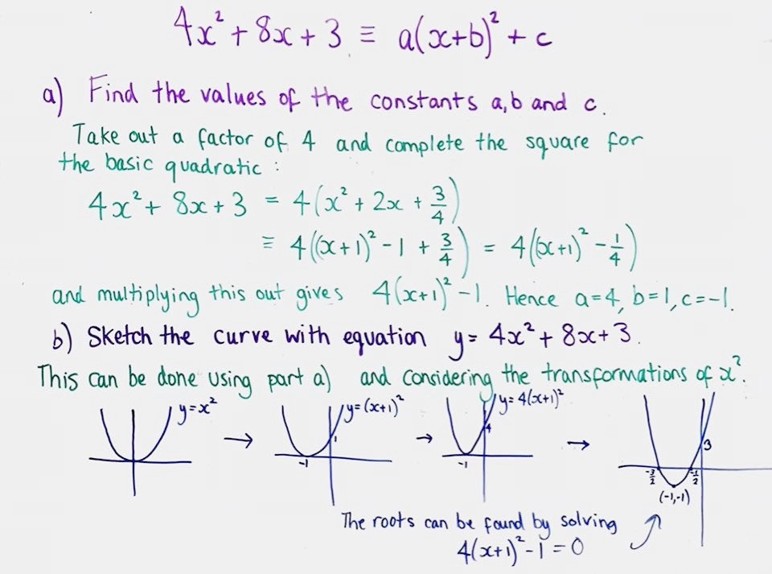
A student's neat Maths workings
Ages 12–14

The “Logic Phase” GCSE Exams

We view the early teenage years as the “logic phase.” At this stage of development, children are highly capable of mastering logical disciplines like Science and Maths—subjects governed by definitive, objective answers.

  • Accelerated Pathway

    Exams at age 14
    Two-year preparation

    At age 12, academic students begin a two-year preparation window for GCSE Maths, Double-Award Science, and ICT, sitting the examinations at age 14.

    Less academic students may defer some or all of these exams until age 16.

  • GCSE Extensions

    Ages 14–16
    For STEM A-Levels

    Between the ages of 14 and 16, students aiming for STEM A-Levels can deepen their knowledge. For instance, they may sit Further Maths GCSE or separate triple-science exams (Physics, Chemistry, or Biology) at 16, according to what they wish to study at A Level.

  • Optional Subjects

    Taken at age 16
    Elective choices

    Computer Studies, Geography, and single-award sciences can also be taken at age 16 as optional subjects.

12 Preparation begins Two-year window for academic students
14 GCSE Maths, Science, ICT Sat by academic students
16 Further Maths & triple science For students aiming at STEM A-Levels
Science GCSE course book
Advanced Level (Ages 16–18, or 19)

A-Levels in Maths and the Sciences

The college offers a comprehensive suite of A-Level provisions to study at college and at home in Mathematics and the Sciences. All of these are fully available to home educators through the college's support structure. Practical endorsement examinations are sat at external centres - we provide the details.

  • Maths
  • Further Maths
  • Biology
  • Chemistry
  • Physics
  • Computer Studies

Students can also opt for the International A-Level in Geography. This specification is assessed entirely via exam papers and contains no mandatory practical coursework or independent investigations, making it ideal for home-educated children who might otherwise struggle to meet standard UK fieldwork assessment logistics.

Our past graduates have successfully leveraged their Scientific, Mathematical, and Computer Science A-Levels to gain seamless entry into highly selective, elite UK universities. Come to an Open Day if you would like advice regarding specific scientific subjects at A-Level.

Contact Us